
How Mechanical Design Principles Can Transform Your Software Design
In both mechanical and software design, managing complexity is key to creating systems that are robust, efficient, and maintainable.

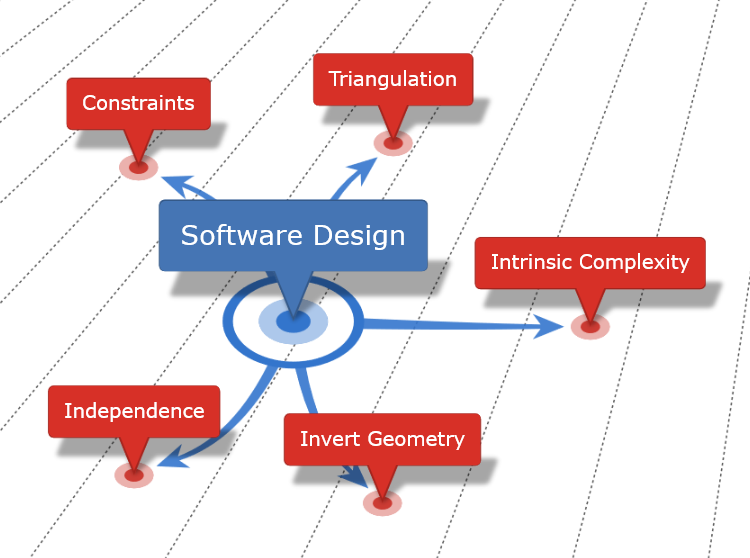
The principles from The Elements of Mechanical Design by James G. Skakoon offer valuable insights that can elevate software engineering practices. These principles, rooted in physical systems, have clear parallels to software concepts like encapsulation, abstraction, and modularity. By exploring these connections, we can enhance our approach to software architecture, making it more efficient, scalable, and easier to maintain.
In this article, we will explore how mechanical design principles, such as managing complexity, maintaining independence between parts, and ensuring loose coupling, directly apply to modern software design.
Encapsulation: Hiding Complexity Just Like Machines Do
Mechanical Principle: Create Designs That Are Explicitly Simple—Keep Complexity Intrinsic
In mechanical systems, simplicity is key. The internal complexity of a machine is hidden from the user, exposing only what is necessary to operate it. Similarly, in software, encapsulation allows developers to hide the internal workings of a module or class, presenting only the interfaces required for external interaction.
Application in Software:
In software engineering, encapsulation simplifies interactions between system components by keeping the inner workings of a class or module private. By exposing only necessary methods and properties, we reduce the cognitive load for developers interacting with the system.
Consider a class in an e-commerce platform that manages inventory. Internally, it uses complex algorithms to calculate stock levels, but externally, it provides only simple methods like checkStock() and updateInventory(). This design allows other parts of the system to use the class without needing to understand the intricate calculations that happen behind the scenes, much like a machine operator doesn’t need to understand how every gear in a machine works.
Encapsulation ensures that complexity is managed internally, allowing for cleaner, more maintainable software architectures. This principle is essential for systems that scale, where hiding unnecessary complexity becomes increasingly critical.
Abstraction: Simplifying Complex Systems
Mechanical Principle: Create Designs That Are Explicitly Simple—Keep Complexity Intrinsic
Another application of the crucial principle of mechanical design for simplifying complex systems by focusing on high-level functionality aligns directly with abstraction in software. Abstraction helps hide the detailed implementation of functions, allowing developers to focus on what the system does rather than how it does it.
Mechanical Principle: Invert Geometry to Reveal New Solutions
In mechanical design, inverting geometry can lead to new ways of solving problems. In software, this is akin to thinking differently about system architecture or using alternative paradigms, such as Functional Programming or Domain-Driven Design (DDD), to simplify otherwise complex systems.
Application in Software
Abstraction allows you to build flexible and scalable systems by focusing on the big picture rather than intricate details. For instance, developers don’t need to know how a database system handles concurrency—they interact with an abstraction layer that manages these concerns for them.
In software frameworks like Hibernate, developers use abstract methods to perform database operations without writing SQL queries directly. This abstraction allows engineers to focus on business logic rather than the specifics of database management.
Abstraction not only simplifies the development process but also encourages cleaner, more modular designs, making systems easier to maintain and extend.
Single Responsibility Principle (SRP): Maintaining Independence and Focus
Mechanical Principle: Keep the Functions of a Design Independent from One Another
In mechanical engineering, when each part of a system has a well-defined function, the system is more reliable and easier to repair. Similarly, in software design, the Single Responsibility Principle (SRP) ensures that every class or module has a clear, focused purpose.
Mechanical Principle: Plan the Load Path in Parts, Structures, and Assemblies
Keep reading with a 7-day free trial
Subscribe to CodeCraft Dispatch to keep reading this post and get 7 days of free access to the full post archives.