
Enhance Security With Mechanical Design Principles
Mechanical design principles enhance software security, fortify code integrity, and prevent vulnerabilities

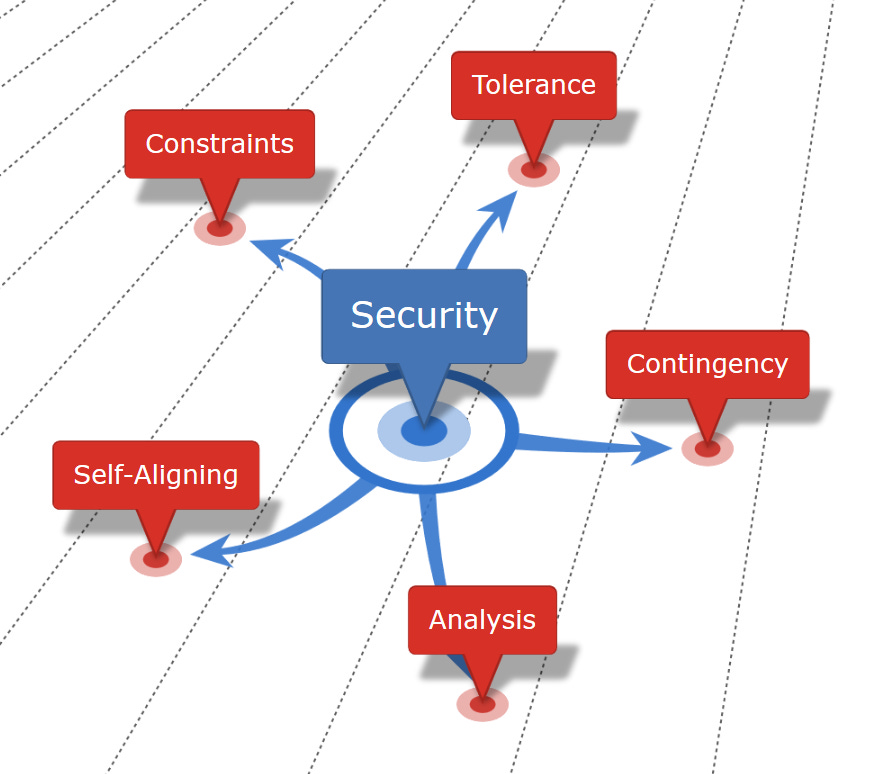
The Elements of Mechanical Design by James G. Skakoon has long been a foundational resource for mechanical engineers seeking to build reliable, resilient systems. But could these same principles improve software security? Surprisingly, the answer is yes. Just as mechanical engineers minimize the risk of structural failure, software engineers can apply these concepts to design more robust and secure code. By adopting mechanical design principles, software systems can be fortified to withstand vulnerabilities, ensure code integrity, and maintain resilience.
This article explores how key mechanical engineering concepts can be translated to improve software security, covering topics like identifying vulnerabilities, implementing defense-in-depth, enforcing input validation, and ensuring code integrity.
Identifying and Mitigating Security Vulnerabilities
In mechanical design, overlooking potential failure points—like buckling—can lead to catastrophic outcomes. Similarly, software engineers must proactively identify and mitigate security vulnerabilities, which represent weak points that attackers can exploit.
Element 13: Never Overlook Buckling Phenomena in Parts and Structures
Just as mechanical design plans for structural risks, software developers must anticipate and mitigate potential security risks, treating each vulnerability as a “weak point” to be reinforced.
Techniques like threat modeling, code reviews, and static analysis tools help identify potential weaknesses before they become exploitable vulnerabilities. These practices provide early insights into security risks, ensuring that code is robust against various attack vectors.
In mechanical engineering, analyzing trends can help anticipate structural issues. This principle applies to software security as well—patterns and trends in security testing can highlight hidden vulnerabilities.
Element 14: Analyze and Test for Trends and Relationships
Regular vulnerability scanning, dynamic application security testing (DAST), and penetration testing are essential practices to uncover patterns that could lead to breaches.
Log analysis and anomaly detection can reveal suspicious activity, like unusual login attempts or unexpected file changes. By continuously monitoring for patterns, software teams can identify and resolve security threats proactively.
Implementing Layered Security (Defense-in-Depth)
Mechanical systems are often designed to secure themselves under stress. In software security, defense-in-depth follows a similar principle, using multiple layers of controls to protect the system.
Element 22: Design Assemblies to Be Self-Locating, Self-Securing, and Self-Aligning
Defense-in-depth strategies leverage multiple protective layers, such as firewalls, encryption, access controls, and segmentation. This approach limits the damage of any single failure, creating a resilient security structure.
By combining network segmentation with intrusion detection systems (IDS), companies can monitor and limit the spread of security breaches. For example, a segmented network minimizes access points, while IDS tools help detect and contain intrusions.
Self-adjusting mechanisms are a hallmark of reliable mechanical systems. Software security can benefit from automated self-help mechanisms that detect and respond to threats in real-time.
Element 7: Improve Designs with Self-Help
Automated monitoring tools, such as SIEM (Security Information and Event Management) systems and machine learning-based threat detection, provide rapid responses to potential threats.
Automated incident response tools can temporarily block suspicious IP addresses, rollback unauthorized changes, or adjust firewall rules to contain threats. This self-help approach strengthens system resilience without requiring constant manual intervention.
Effective Input Validation (Minimal Validation)
In mechanical systems, exact constraint stabilizes structures without adding unnecessary stress. Similarly, input validation in software must be balanced—strict enough to prevent malicious input, yet flexible enough for valid data.
Element 3: Use Exact Constraint When Designing Structures and Mechanisms—Never Overconstrain a Design
Input validation is a key component of secure coding practices, preventing injection attacks like SQL injection or cross-site scripting (XSS). By constraining inputs, software can protect itself from unexpected or harmful data.
Techniques such as whitelisting specific input formats, escaping special characters, and validating input length help prevent injection attacks. These practices ensure that data remains valid without introducing excessive rigidity.
Localizing tolerances in mechanical design limits error spread, much like localizing input validation in software to reduce security risk.
Element 19: Minimize and Localize the Tolerance Path in Parts and Assemblies
Input validation should occur close to the data entry point, like the client or API gateway, to prevent invalid data from entering and propagating through the system.
Implementing validation on multiple levels—client-side, server-side, and database—reduces the risk of security vulnerabilities. This layered approach to validation stops malicious data at various stages, strengthening overall system security.
Ensuring Code Integrity
Press fits can compromise component integrity under stress, and in software, forced integrations can introduce unexpected vulnerabilities.
Element 16: Avoid Press Fits
Avoid “press-fit” integrations by ensuring that all third-party libraries and code changes are thoroughly vetted for security implications before inclusion.
Dependency management tools, version control, and comprehensive code reviews help ensure all additions are secure and compatible with existing systems. Additionally, software teams can use dependency checkers to monitor for vulnerabilities in third-party libraries.
Mechanical design includes contingency plans to handle potential structural failures, and the same goes for software teams needing backup plans for unexpected code integrity issues.
Element 15: Identify Contingency Plans to Minimize Risks in Design
Contingency plans in software often involve version rollbacks, automated deployment pipelines, and immutable infrastructure to recover quickly from code integrity problems.
Code signing, digital signatures, and integrity checks confirm that code remains unaltered. In the event of tampering, version rollbacks and automated deployments can restore the last known secure state, minimizing downtime and risk.
Security Automation and Monitoring
Self-adjusting designs improve system reliability. Security automation tools in software provide similar benefits by automating threat detection, monitoring, and incident response.
Element 7: Improve Designs with Self-Help
Security automation minimizes manual intervention, improving response times and ensuring consistent protection.
SIEM systems continuously scan for and alert on suspicious behavior, while automated compliance checks help identify and fix issues before they lead to breaches. Automated alerts and incident playbooks reduce response time, keeping software systems resilient against evolving threats.
Conclusion
Applying mechanical design principles to software security provides a robust framework for preventing vulnerabilities and maintaining code integrity. Each principle—from identifying vulnerabilities to enforcing code integrity and implementing self-help—contributes to a resilient software system.
Actionable Takeaways
Integrate Security Testing: Regularly use vulnerability scanning, threat modeling, and code reviews to identify potential risks early.
Employ Defense-in-Depth: Build multiple layers of security to limit the impact of individual breaches.
Automate Security Monitoring: Use SIEM and automated incident response tools to detect and respond to threats in real-time.
Enforce Code Integrity: Validate all code changes and third-party dependencies, and have contingency plans to quickly recover from integrity issues.
Look forward to future articles that will explore more on Mechanical Design and applying the elements to software engineering and design.